Help us highlight a farmer.
Who's your favorite florist or flower farmer?
Know a grower who could use some love?
Growers, this means you too. Put yourself forward.
Poppy Fielding is a free directory of the people growing and selling flowers close to home. There are more of them than we can find alone. Every name you give us goes in.
If you're the grower, send your own name. Farmers, small flower growers, women-owned and minority-owned flower businesses, and florists who do weddings and special events all belong here. A listing is how people who would rather buy direct, from florists and shops to event planners, find you. We sell nothing, ship nothing, and take no cut. We make you findable.
Why local
Most of the flowers sold here were grown somewhere else.
We started this directory because the people growing flowers near you are nearly impossible to find, and the system that sells flowers was never built to help you find them. Here's the short version.
What a small grower is up against
The market is mostly imports. In 2024, imports made up nearly 80% of the value of cut flowers sold in the United States. Most came from Colombia and Ecuador, and roughly nine in ten imported flowers enter through a single airport in Miami.12
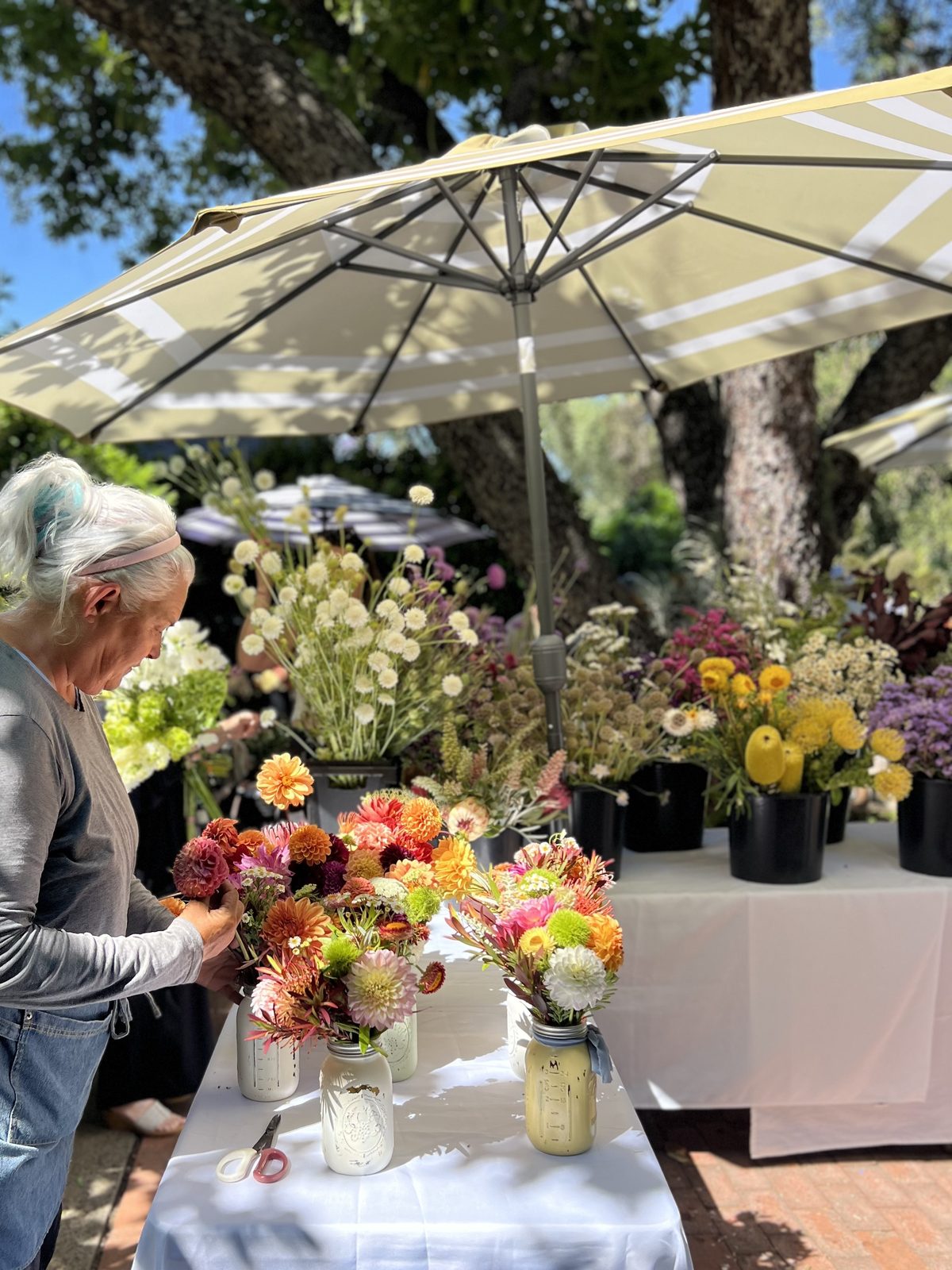
The big channels have a minimum. Grocery chains and national delivery services buy in volumes a ten-acre farm can't fill. If a farm can't meet the minimum, it can't get on the truck, no matter how good the flowers are. So the small grower's flowers stay small: a farm stand, a farmers market, a stall at the wholesale market, a florist who knows them by name.
Distance is a cost you don't see. An imported stem is cut, chilled, flown, inspected, trucked, and warehoused before it reaches a store shelf. Every one of those steps is time off the vase. A local stem was often cut yesterday.
And yet they're multiplying. The number of American farms growing cut flowers rose 64% between 2019 and 2024.3 More farms, smaller farms. That's the population this directory exists to make visible.
What you can do
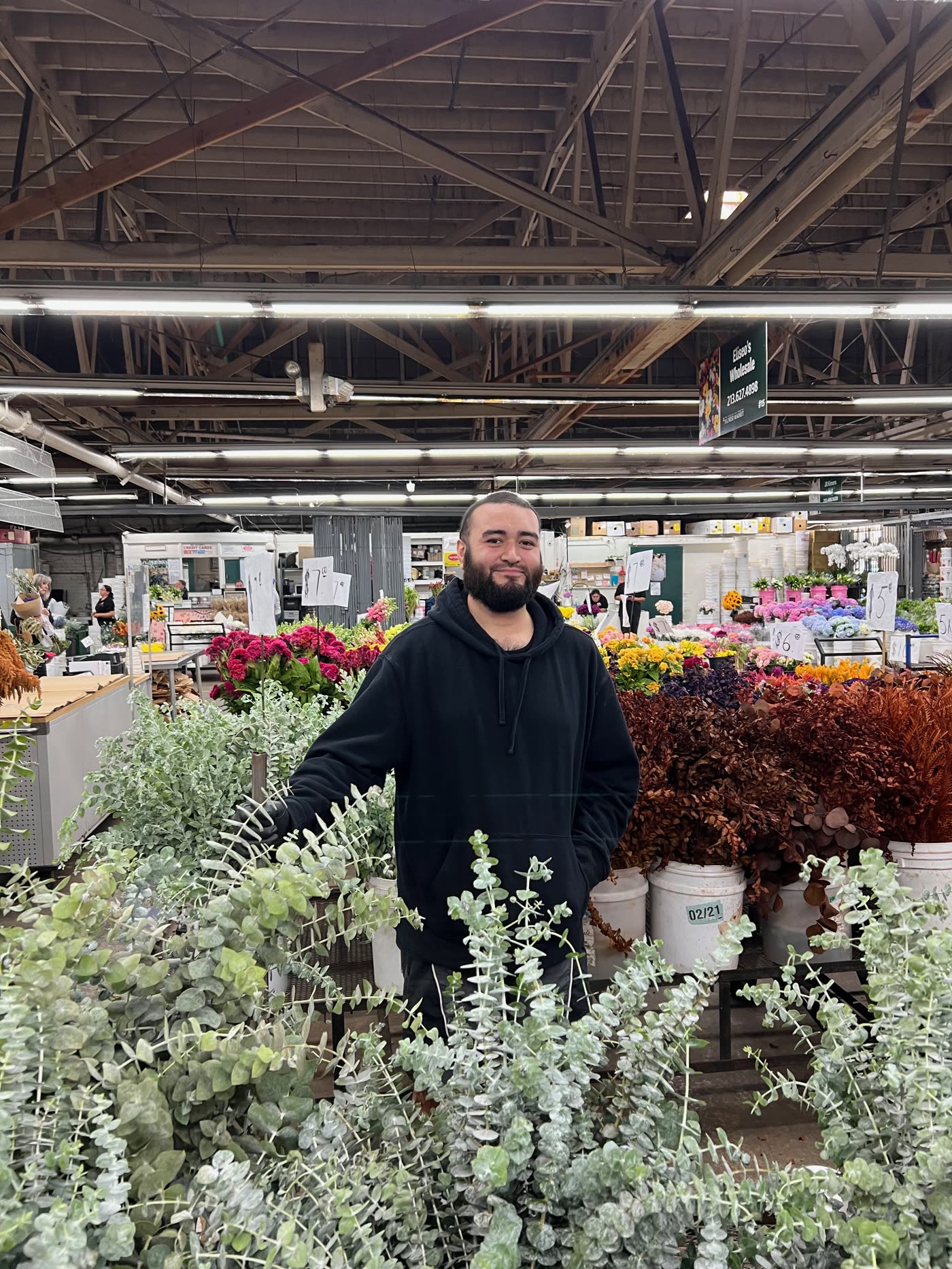
Buy at the source. Farmers markets are the easiest place to meet a grower. In Los Angeles, the LA Flower Market downtown is open to the public; get there early, ask who grew it, and buy from the stalls that can answer.
Ask your florist. The question “where was this grown?” is the whole lever. Florists who buy local will tell you with pride. Florists who don't will start to think about it.
Skip the grocery-store bunch when you can. The flowers by the checkout are convenient and they're fine. They're also the end of a very long supply chain. When you have a choice, give the short one your money.
Give us a name. If you know a grower, a florist, or anyone in flowers who deserves attention, tell us. Every name goes in.
What this is not
Poppy Fielding doesn't sell flowers, doesn't take a cut, and doesn't rank anyone. The directory tells you whether a business grows, sources, or imports, and lets you decide. Here's the longer argument, with every number sourced.
Sources
- farmdoc daily, University of Illinois, “Valentine's Day and the Gains from Agricultural Trade: Cut Flowers in the US,” February 2025. Data year 2024. Import share is of market value, not stem count. Link
- Miami-Dade Aviation Department, February 2022 (91%); corroborated by US Customs and Border Protection at about 89%, 2017. Link
- USDA NASS, 2024 Census of Horticultural Specialties, Table 1, released February 2026: 2,035 operations (2019) to 3,347 (2024). Link